





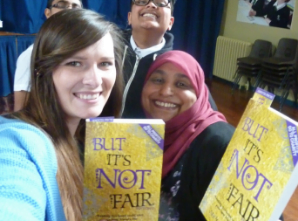
FGM, forced marriage, is more likely during the summer holiday. The long summer holiday can mark a dangerous time for many children, as their families may go abroad and subject their daughters to FGM, forced marriage. Others will conduct a forced marriage.
The summer holidays, yeah schools out! No teachers, no books, no homework, no school! Exam stress out the way and a time to relax and have fun.
Thinking back to when I was at school, practically the whole year was around waiting for that magical time when the last bell rang to sing out the start of the summer holiday.
My childhood memories of those times are filled with super fond memories, spending the time with my sister and parents. But none of our holidays started with a 24 hour queue at Dover, they were stay-cations.
We spent time sitting in our flat watching TV programmes like ‘Why don’t you’ or if we were being super-nerdy, Blue Peter. We always seemed desperately short of the proverbial sticky back plastic and generally never had the material or ingredients to fulfil a project we had watched on TV.
We didn’t go to Disney land, but we didn’t miss it either. A day trip to Southend or Margate, a picnic in the park was all we dreamed of, and was what we always got. Okay, so you’d be right to think our summer holidays weren’t exactly action-packed. But the important thing was we spent time together as a family at home with odd treats here and there.
We were safe and happy and I know now how blessed we really were. The idea of FGM, forced marriage never occurred to us and for many in danger they have no idea either.
But, the reality for many other children is that summer is a sheer nightmare. They are a dangerous time because that’s when young adults are most at risk of being taken abroad and a forced marriage or FGM horrifically injured in the most sensitive part of their body.
They may get on to a plane thinking all is right, but then find out when it’s all too late that they are going to a marriage — their own. A ‘marriage’ where they see their husband for the very first time on the actual wedding day. A ‘marriage’ which they are obliged to consummate in the most graphic and disturbing way.
For others, their families go abroad and have their daughter’s go through FGM. This is Female Genital Mutilation (FGM). Worse still, the cutters may be brought to over to the UK and girls will endure the horrors and pain just a short way from home.
My wish is for every young person to have as a magical time during their summer holidays as I remember mine were. Freedom Charity works hard to ensure students and professionals know the key warning signs so vulnerable children have a better chance of being kept safe.
Both my books, which are written for young adults, lay out the key warning signs and offer advice on where to go for help. But it’s not Fair is about forced marriage, and Cut Flowers concerns FGM.
The books also reference Freedom’s App which offers the user direct help with two simple clicks.
This will help to protect from FGM and forced marriage

FGM prevention matters, but survivor care must not be the unfinished part of UK policy. Aneeta Prem calls for a clear NHS pathway, specialist counselling, trained professionals and research into reconstructive surgery.
Many children are not choosing the best place to spend their time. They are choosing the safest unsafe place available.
Dishonour Abuse is abuse, coercion or violence justified through claims of family reputation, shame or so-called honour. I use the term because “honour-based abuse” repeats the perpetrator’s excuse, while Dishonour Abuse names the conduct and places responsibility where it belongs: with the person causing harm, not the victim, child or survivor.

The murder of Henry Nowak raises difficult questions about policing, evidence and the duty to preserve life
The death of Twisha Sharma has reopened a global question about dowry abuse, coercive control, family reputation and why women are still judged by what their families can provide.
Afghanistan's child marriage is worsening as hunger, aid cuts and Taliban family law place girls at risk. Aneeta Prem writes on why silence is not consent.