Can TN affect both sides of the face?
Yes. Trigeminal neuralgia more commonly affects one side, but bilateral TN can affect both sides. Aneeta lives with bilateral TN.
TRIGEMINAL NEURALGIA · LIVED EXPERIENCE · PATIENT VOICE
Trigeminal neuralgia is a neurological pain condition affecting the trigeminal nerve, which carries sensation from the face to the brain. It can cause sudden attacks of severe, electric-shock-like facial pain.
For Aneeta Prem, trigeminal neuralgia is not an abstract health subject. It is a condition she lives with, and one that went unrecognised for years.

MAKING THE INVISIBLE VISIBLE
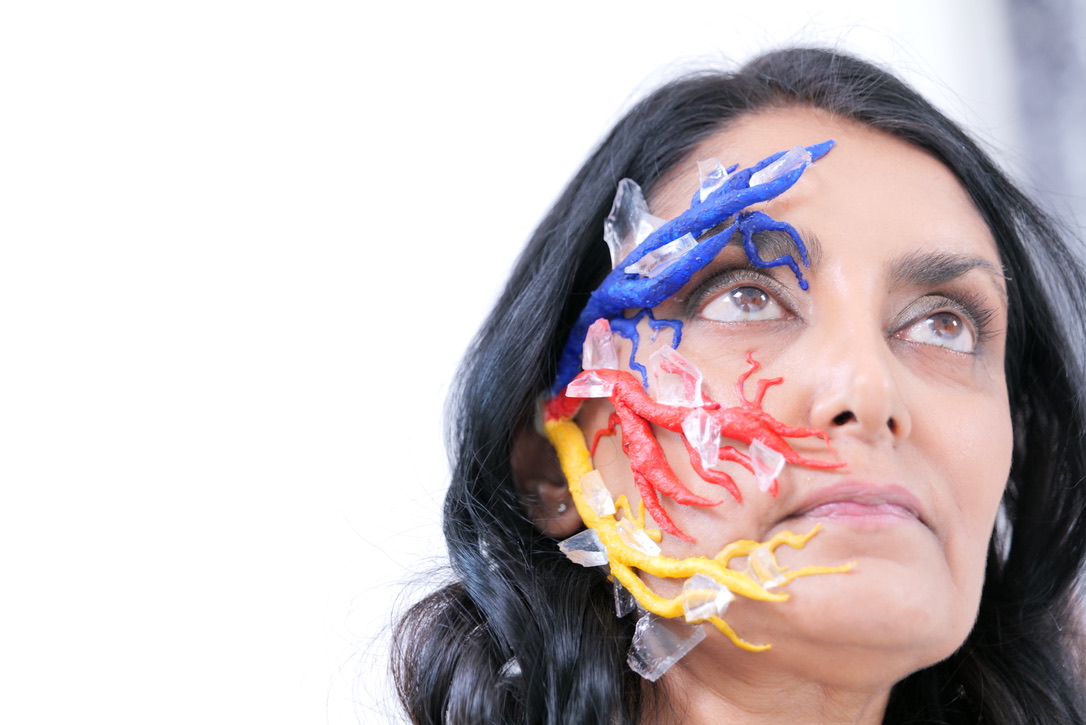
Aneeta created #FaceOfTN and #ShowTN3Fingers to make trigeminal neuralgia easier to recognise and to bring people together. Both campaigns challenge the loneliness and isolation that can come with severe facial pain, strengthen the TN community and remind people living with the condition that they are not alone. #FaceOfTN maps the trigeminal nerve across the face. #ShowTN3Fingers uses three fingers to represent V1, V2 and V3, while inviting people to share their triggers and connect with others.

Watch the ShowTN3Fingers video
Watch the Face of TN videoMEDICAL INFORMATION
This page provides general information and lived experience. It does not diagnose a condition or replace advice from a qualified healthcare professional.
TN attacks are often described as stabbing, shooting or electric-shock-like. They commonly affect one side of the face, although bilateral TN can affect both sides. An attack may last from seconds to around two minutes and can recur in rapid succession.
Everyday actions may trigger pain, including eating, speaking, washing, brushing the teeth or feeling a light breeze against the face. The fear of the next attack can change how a person eats, sleeps, works, travels and relates to other people.
Aneeta’s first severe facial-pain attacks began in early 2010. The cause was not correctly identified for years despite repeated appointments and an MRI. A healthy tooth was removed, and the symptoms were at times attributed to stress and workload.
She was eventually diagnosed with trigeminal neuralgia around 2017. In December 2019 she underwent microvascular decompression surgery, but the operation did not relieve her pain. She continues to live with bilateral TN and pain that can be triggered by wind and moving air.
That history shapes her insistence that delay is not a neutral inconvenience. It can lead to unnecessary dental procedures, inappropriate treatment, lost work, isolation and years of avoidable fear.
Facial pain can have several causes, and people frequently seek dental help first. TN diagnosis depends on a careful history, neurological assessment and, where appropriate, imaging used to investigate possible causes or conditions with similar symptoms.
A scan alone does not determine whether somebody’s pain is real. The pattern of symptoms and the patient’s account remain essential.
Treatment is individual. It may include medicines used for nerve pain and, for some people, specialist procedures or surgery. The balance of benefit and risk must be discussed with an appropriately qualified clinician who understands the person’s diagnosis, health and circumstances.
This page does not recommend a particular drug, dose, procedure or clinician. Aneeta’s role is to strengthen patient voice and direct people towards reliable information and specialist support.
Severe facial pain can affect nutrition, speech, oral care, employment, relationships, confidence and mental health.
A person may appear well between attacks while organising an entire life around avoiding the next one.
URGENT HELP
If you may harm yourself or cannot stay safe, call 999 or go to A&E. This website is not an emergency or clinical service.
LEADERSHIP AT TNA UK
As Chief Executive of Trigeminal Neuralgia Association UK, Aneeta works to improve practical support, professional understanding and the evidence available to decision-makers.
Her priorities include earlier recognition, clearer referral pathways, better information, patient-centred research, support for people who are isolated and greater understanding of the economic and psychological consequences of TN.
Aneeta brings lived experience to this work alongside specialist clinicians. She is not a doctor and does not offer individual medical advice.
Visit TNA UKTN awareness and supportYes. Trigeminal neuralgia more commonly affects one side, but bilateral TN can affect both sides. Aneeta lives with bilateral TN.
No. Aneeta underwent microvascular decompression in 2019, but it did not relieve her pain.
No. Aneeta is not a clinician. Her perspective comes from lived experience, patient advocacy and charity leadership, working alongside specialist clinicians.