




Archive record reviewed and updated 22 August 2026.
By Aneeta Prem MBE
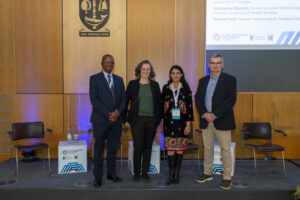
In November 2022, I spoke at the Global Sustainable Development Congress at the University of Glasgow, convened by Times Higher Education.
The invitation brought together two parts of my work that are sometimes discussed separately: girls’ education and safeguarding. My argument was simple. Sustainable development cannot be credible if girls are prevented from learning, forced into marriage or subjected to female genital mutilation.
Why girls’ education belongs at the centre of sustainability
Education affects far more than examination results. It can shape health, income, independence, public participation and the ability to make choices about the future.
When a girl is removed from education because of forced marriage, FGM risk or family control, the loss is not confined to the classroom. Her choices narrow. Her economic independence can be reduced. Her contact with trusted adults and institutions may disappear.
That is why safeguarding and sustainable development are connected.
The link with Sustainable Development Goal 5
The United Nations’ Sustainable Development Goal 5 is concerned with gender equality. Target 5.3 specifically calls for the elimination of harmful practices including child, early and forced marriage and female genital mutilation.
Those issues therefore do not sit at the edge of the sustainable-development agenda. They are named within it.
Progress has to be measured not only by whether countries endorse the goal, but by whether girls can remain in education, exercise bodily autonomy, refuse marriage and reach protection when they are at risk.
What I said in Glasgow
Times Higher Education recorded my contribution to the 2022 Congress and my argument that women and girls cannot be treated as peripheral to humanity’s sustainability goals.
My focus was not to present myself as a climate specialist. It was to bring safeguarding experience into a wider international-development conversation.
Through Freedom Charity, which I co-founded with Lord Toby Harris in 2009, I had seen repeatedly how forced marriage and FGM can remove education, choice and opportunity from a young person’s life.
Those realities matter when universities, governments and civil society discuss what sustainable progress actually means.
Why this page is retained
This is a public-record entry documenting a verified speaking engagement and the policy argument behind it.
The Congress matters in my wider record because it shows how safeguarding, education and women’s rights connect with international development rather than existing in separate boxes.
A sustainable future cannot be built by excluding girls from the freedom to learn, choose and participate.
Verified sources and further reading
- Times Higher Education: Educate girls and women to realise humanity’s sustainability goals
- Times Higher Education: 2022 Congress speakers
- United Nations: Sustainable Development Goal 5