





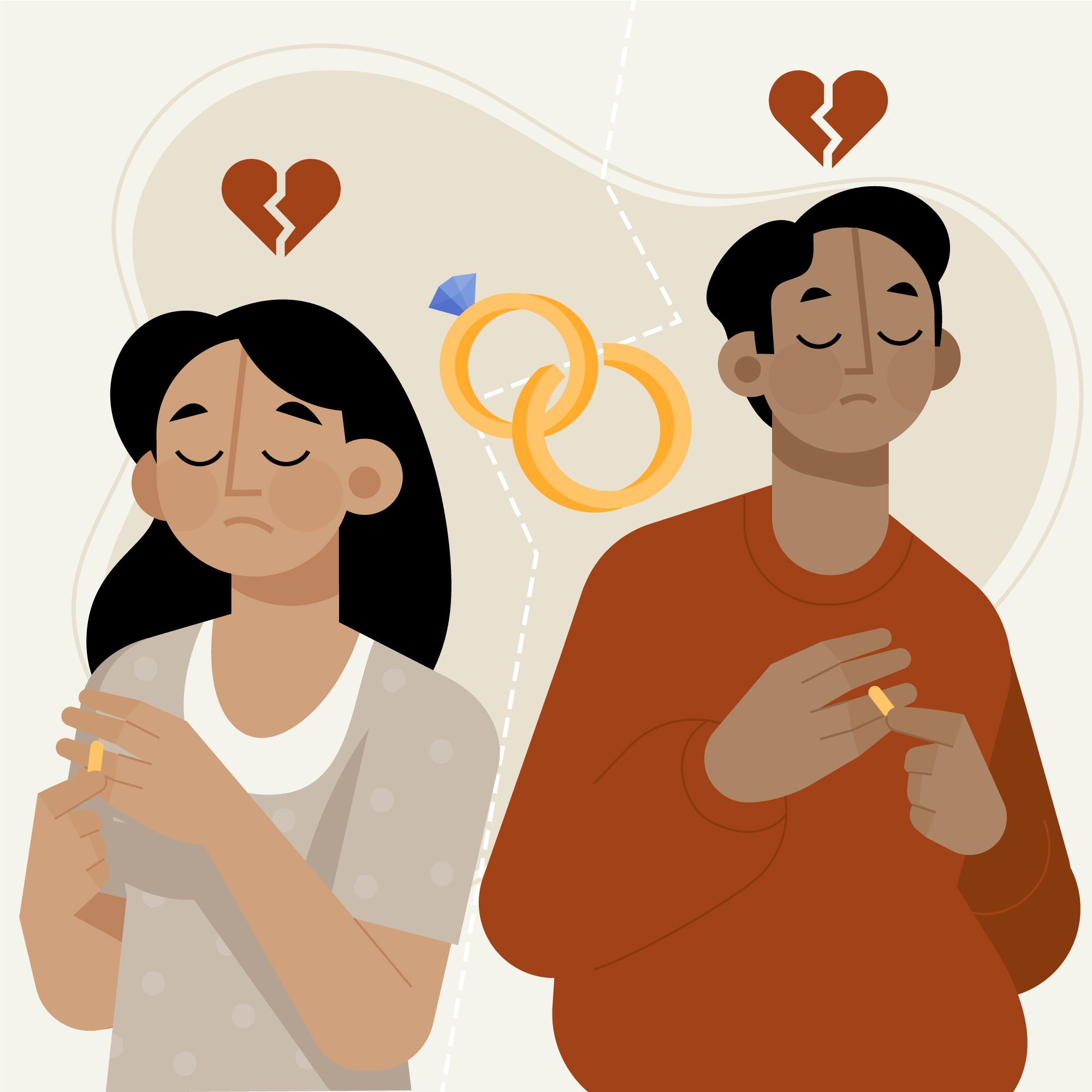
‘Let Girls Learn’ will help us fight FGM and forced marriage with education.
The campaign ‘Let Girls Learn’ is a truly inspirational and incredible programme. Having an education is something we all take for granted, but according to UNESCO 63 million girls are denied that basic right.
Having an education not only means we must Let Girls Learn, but it also means her children will be more likely to be able to read and write. Girls who are allowed to stay in school from ages 11 to 16 will be stronger, healthier and live longer than those that don’t.
But most girls that are denied an education have no choice. They are forced to be carers and mothers while they are still children. They are pulled out of education early to work at home, look after younger siblings and then be forced into a marriage. These girls forced into an early marriage are also more likely to have undergone Female Genital Mutilation (FGM). Freedom Charity is working to end Female Genital Mutilation (FGM) and forced marriage.
For many poor families, having a girl is often seen as a curse. Money is needed for a dowry which creates immense financial pressure often leading to a life-long burden or even worse, suicide, we must ‘Let Girls Learn’
Yet here in the west it feels like we are a million miles away from these issues. We have our second female Prime Minister in the UK, Theresa May. Angela Merkel has been Chancellor of Germany for over a decade. The US may be on the verge of electing its first female President, Hillary Clinton.
Yet, the truth is these hideous crimes are happening right on our own doorsteps. The summer holidays are upon us and school’s out. Normally a time for children to celebrate right? Wrong. This is probably the most dangerous time of year for vulnerable girls who are unwittingly taken on ‘holiday’ and forced into a bogus marriage. Or they taken abroad to be ‘cut,’ a polite way of saying Female Genital Mutilation.
It is a sad indictment of our society that, according to UNICEF, 200 million girls and women have endured Female Genital Mutilation and 700 million women have been forced into a child marriage.

FGM prevention matters, but survivor care must not be the unfinished part of UK policy. Aneeta Prem calls for a clear NHS pathway, specialist counselling, trained professionals and research into reconstructive surgery.
Many children are not choosing the best place to spend their time. They are choosing the safest unsafe place available.
Dishonour Abuse is abuse, coercion or violence justified through claims of family reputation, shame or so-called honour. I use the term because “honour-based abuse” repeats the perpetrator’s excuse, while Dishonour Abuse names the conduct and places responsibility where it belongs: with the person causing harm, not the victim, child or survivor.

The murder of Henry Nowak raises difficult questions about policing, evidence and the duty to preserve life
The death of Twisha Sharma has reopened a global question about dowry abuse, coercive control, family reputation and why women are still judged by what their families can provide.
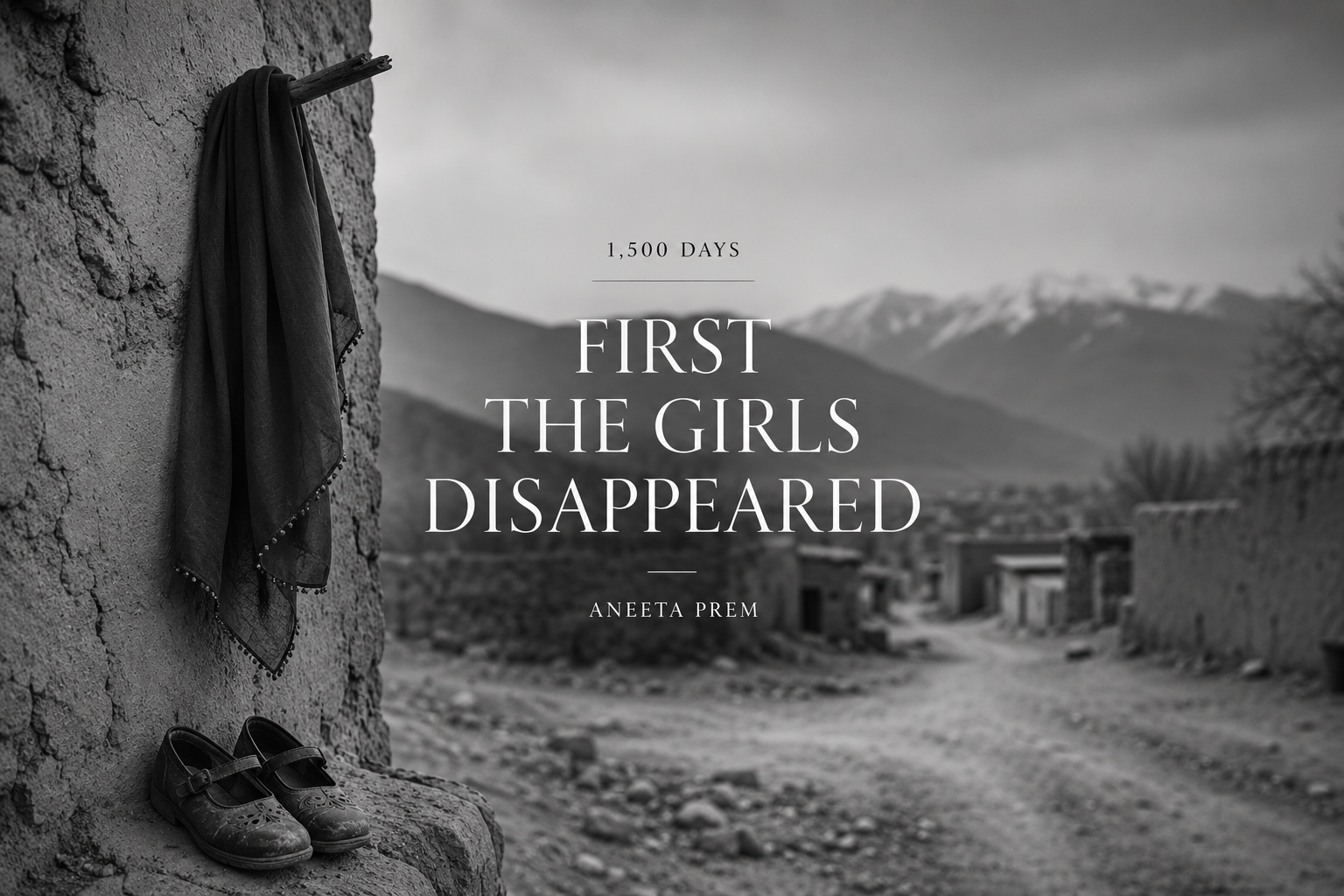
Afghanistan's child marriage is worsening as hunger, aid cuts and Taliban family law place girls at risk. Aneeta Prem writes on why silence is not consent.