




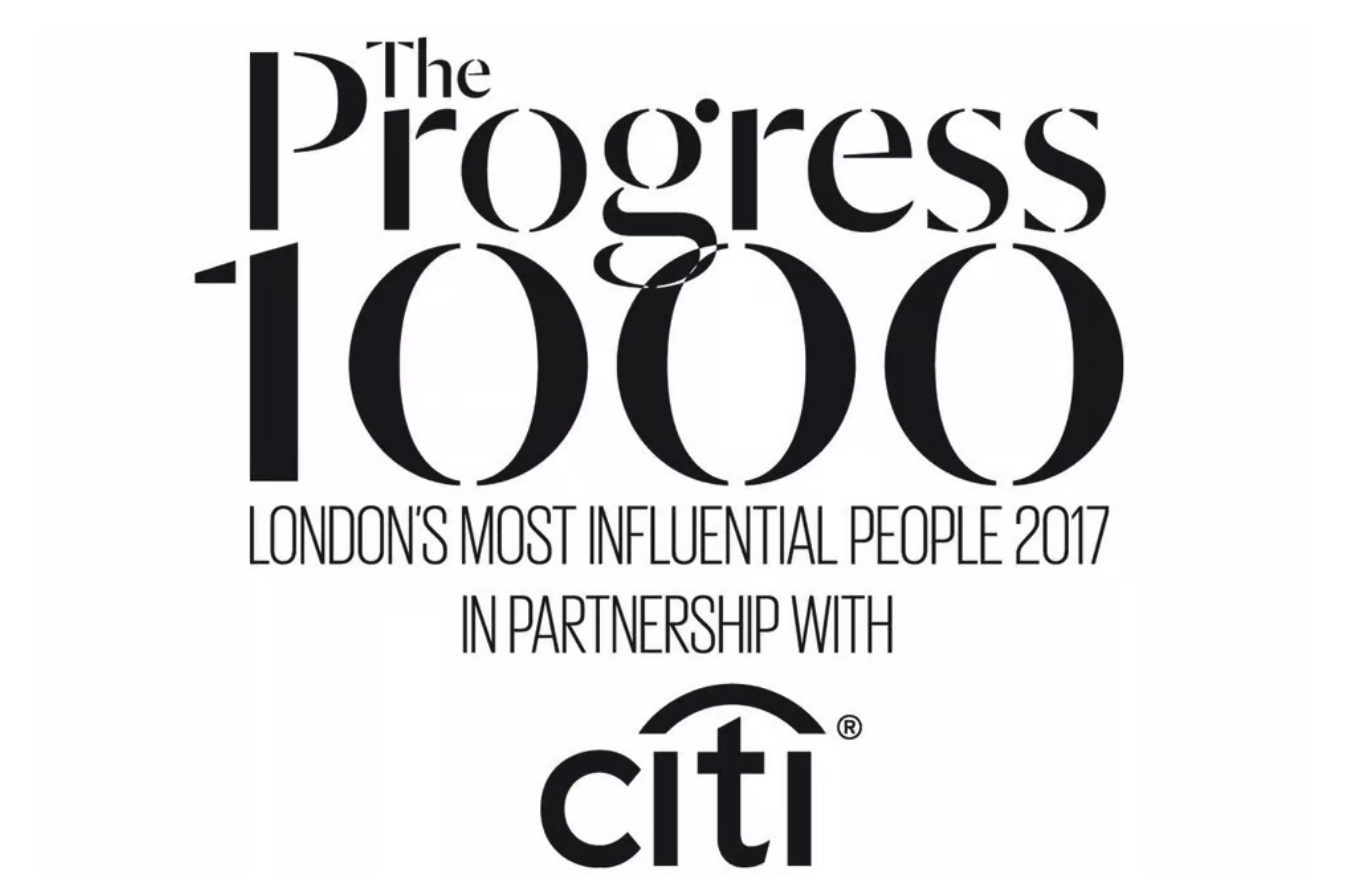
Progress 1000 Evening Standard a list of London’s most influential people.
The 2016 Evening Standard progress 1000 awards party. A Red carpet event that honoured 1000 of the most influential in London.
Sarah Sands was the perfect host and greeted us warmly as we entered the Science Museum in London.
It had been several years since I had visited with darling nephew and I recall we spent quite some time in the IMAX.
Prince Charles made a moving speech as he was honoured for his work with setting up the Princes Trust and all the key work he does with over 400 charities and his charities raise more than 100 million pounds each year.
Sadiq Khan the new Mayor of London was number 1 on the list of the progress 1000 list.
Theresa May the Prime Minister, Justine Greening were all honoured in the progress 1000
The world of city finance was there in force as were TV theatre religious leaders, liberty, mathematicians, astronauts, sports professional, journalist, film makers, those that had overcome adversity and a girl from the East end of London. completely humbled and quite surreal seeing Joanna Lumley from Ad Fab fame and Harvey Nic’s bag in sight.
The mayor told us told us he had the best job in the world and I guess be probably does.
The event was hosted on a hot barmy night and the long zoom lenses were there to capture every moment
Sir Bernard Hogan Howe commissioner for the Metropolis was there too.
The night was pretty amazing and catching up with some old friends made it even more special
The Evening Standard keeps London and beyond informed on our journeys home and the reach today is greater than ever.The Evening Standard journalists on the night were all welcoming and hosted a great party.
I came under the Social Crusaders, equality champions heading, wow.
‘Aneeta Prem
Human rights campaigner
A magistrate turned campaigner, Prem founded the charity Freedom, which fights to end modern-day slavery, forced marriage, so-called honour crimes and FGM. Prem is carrying on the work of her father, who set up a free college to educate girls in India. She has also written two books: But It’s Not Fair, about forced marriage, and Cut Flowers, about FGM, and donated 50,000 copies of her books to young people.’

Lee Milne's sentencing in Scotland is a legal milestone. More importantly, it forces the law and the public to face a truth survivors have long understood: coercive control can be fatal, even where the perpetrator did not physically commit the final act.

The UK now describes forced marriage, FGM and so-called honour-based abuse more accurately than before. But the law still struggles to prosecute how these crimes often happen in real life: through family pressure, community enforcement, fear, shame and collective control.

The World Health Organisation has marked World Health Day 2026 under the theme “Together for health. Stand with science.” It is a timely message. But health is not only about medicine. It is also about whether people can live safely, speak freely and make choices without fear.

The March 2026 safeguarding update makes one thing harder to deny: forced marriage and FGM belong inside mainstream child protection. The question now is whether institutions can act early enough to prevent harm.

Noelia Castillo Ramos died in Barcelona on 26 March 2026 after a long legal battle over her right to euthanasia. Her death will reignite debate over assisted dying. The deeper human rights question is what failed her long before the final decision.

Female genital mutilation reconstruction UK, NHS pathway for FGM survivors, clitoral reconstruction UK, FGM survivor care UK, Women and Equalities Committee FGM reconstruction