






https://www.aneeta.com/wp-content/uploads/2017/04/BBC_World_News-2017-04-14_14-19-09-1.mp4
End FGM, that is what all of us want. Today we are a step closer to End FGM with the case in the US, Detroit have charged a Dr. with cutting young girls.
Dr Nagarwala who worked in an emergency room as a doctor. The fact she has been charged with cutting young girls for the the last twelve years is very shocking.
If she is found guilty she risks going to prison for life. Dr Nagarwala is charged with three offences: Female Genital Mutilation (FGM); transportation with intent to engage in criminal sexual activity and conspiracy; and making a false statement to an officer.
Today I spoke on BBC World news. and it highlights the case to End FGM.
Dr Nagarwala is reported to have cut two girls as young as seven years of age. She is alleged to have performed FGM in a medical office in Livonia, Michigan.
“According to the complaint, despite her oath to care for her patients, Dr. Nagarwala is alleged to have performed horrifying acts of brutality on the most vulnerable victims,” Acting Assistant Attorney General Blanco said in the announcement. “The Department of Justice is committed to stopping female genital mutilation in this country, and will use the full power of the law to ensure that no girls suffer such physical and emotional abuse.”
By visiting the Freedom charity website you can see that Freedom Charity offers training for professionals as well as students.
The Cut Flowers novel has PSHE accredited lesson plans on FGM. Hopefully within a generation will End FGM.
Tagged aneeta prem, author, end fgm

FGM prevention matters, but survivor care must not be the unfinished part of UK policy. Aneeta Prem calls for a clear NHS pathway, specialist counselling, trained professionals and research into reconstructive surgery.
Many children are not choosing the best place to spend their time. They are choosing the safest unsafe place available.
Dishonour Abuse is abuse, coercion or violence justified through claims of family reputation, shame or so-called honour. I use the term because “honour-based abuse” repeats the perpetrator’s excuse, while Dishonour Abuse names the conduct and places responsibility where it belongs: with the person causing harm, not the victim, child or survivor.

The murder of Henry Nowak raises difficult questions about policing, evidence and the duty to preserve life

The death of Twisha Sharma has reopened a global question about dowry abuse, coercive control, family reputation and why women are still judged by what their families can provide.
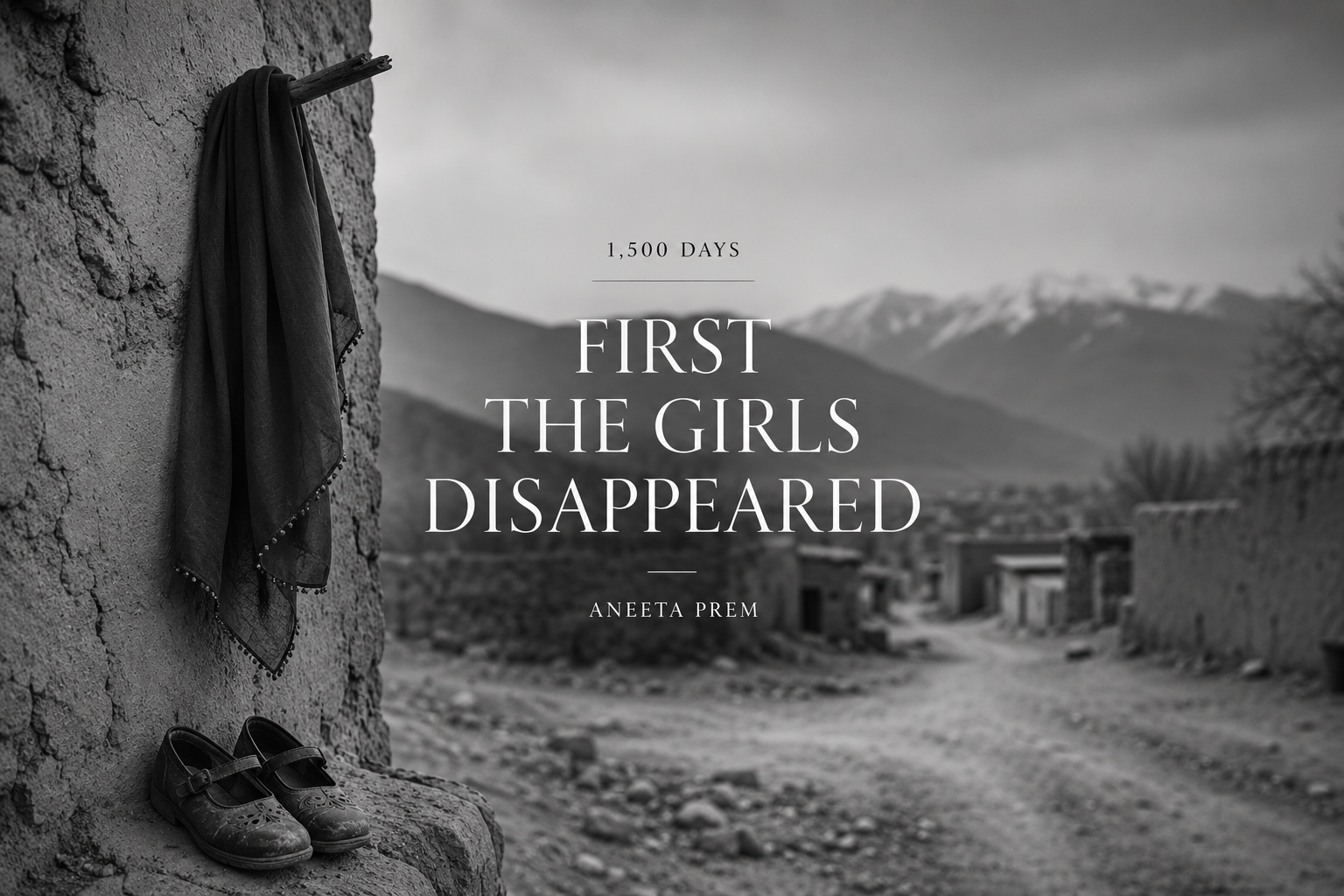
Afghanistan's child marriage is worsening as hunger, aid cuts and Taliban family law place girls at risk. Aneeta Prem writes on why silence is not consent.