






Living in a week of awful horrific bombings around the world where we are battling extremism and radicalisation. We are faced with people who are prepared to blow themselves up for the promise of martyrdom.
They need to be lucky just once. We need to be lucky all the time.
Living in a country where our basic human rights are respected and our democracy is fiercely guarded, how do we protect the generation who are being radicalised by being taught to hate through Social Media including ,Youtube and Facebook?
I was on BBC News talking about why I believe it is important for teachers, to be given the maximum help to identify these young people.
I believe we must encourage debate. We need to be challenging extremist views in classroom settings. Where friends and peers are often the best people to change opinions and help de-radicalise.
Schools, colleges and universities should be a safe place where students can debate controversial issues.
With the support of teachers, students are shown the dangers associated with terrorism. They are given the tools to challenge extremist arguments that they hear and see on their computer screens.
Schools, colleges and universities may be the only chance we have to challenge these views and change minds.
If we don’t, we will have a lost generation of children who will grow up hating the west and feel they are heroic to die as a martyr.
I understand it is difficult for teachers and this is not what they signed up to do, but teachers are the key link.
They are trusted and respected and they can alter and change students who hate, into students who care and who have British values
Teachers can call 101 and speak to their local police force. (the non-emergency number) about their concerns on radicalisation of students.
The Department of Education also has a non emergency number. 020 7340 7264 teachers and governers can dial if they are worried about radicalisation of their students.
We can’t fight each other. I feel confident that good teachers in good schools in the formative years will help prevent a generation of terrorists.

FGM prevention matters, but survivor care must not be the unfinished part of UK policy. Aneeta Prem calls for a clear NHS pathway, specialist counselling, trained professionals and research into reconstructive surgery.
Many children are not choosing the best place to spend their time. They are choosing the safest unsafe place available.
Dishonour Abuse is abuse, coercion or violence justified through claims of family reputation, shame or so-called honour. I use the term because “honour-based abuse” repeats the perpetrator’s excuse, while Dishonour Abuse names the conduct and places responsibility where it belongs: with the person causing harm, not the victim, child or survivor.

The murder of Henry Nowak raises difficult questions about policing, evidence and the duty to preserve life

The death of Twisha Sharma has reopened a global question about dowry abuse, coercive control, family reputation and why women are still judged by what their families can provide.
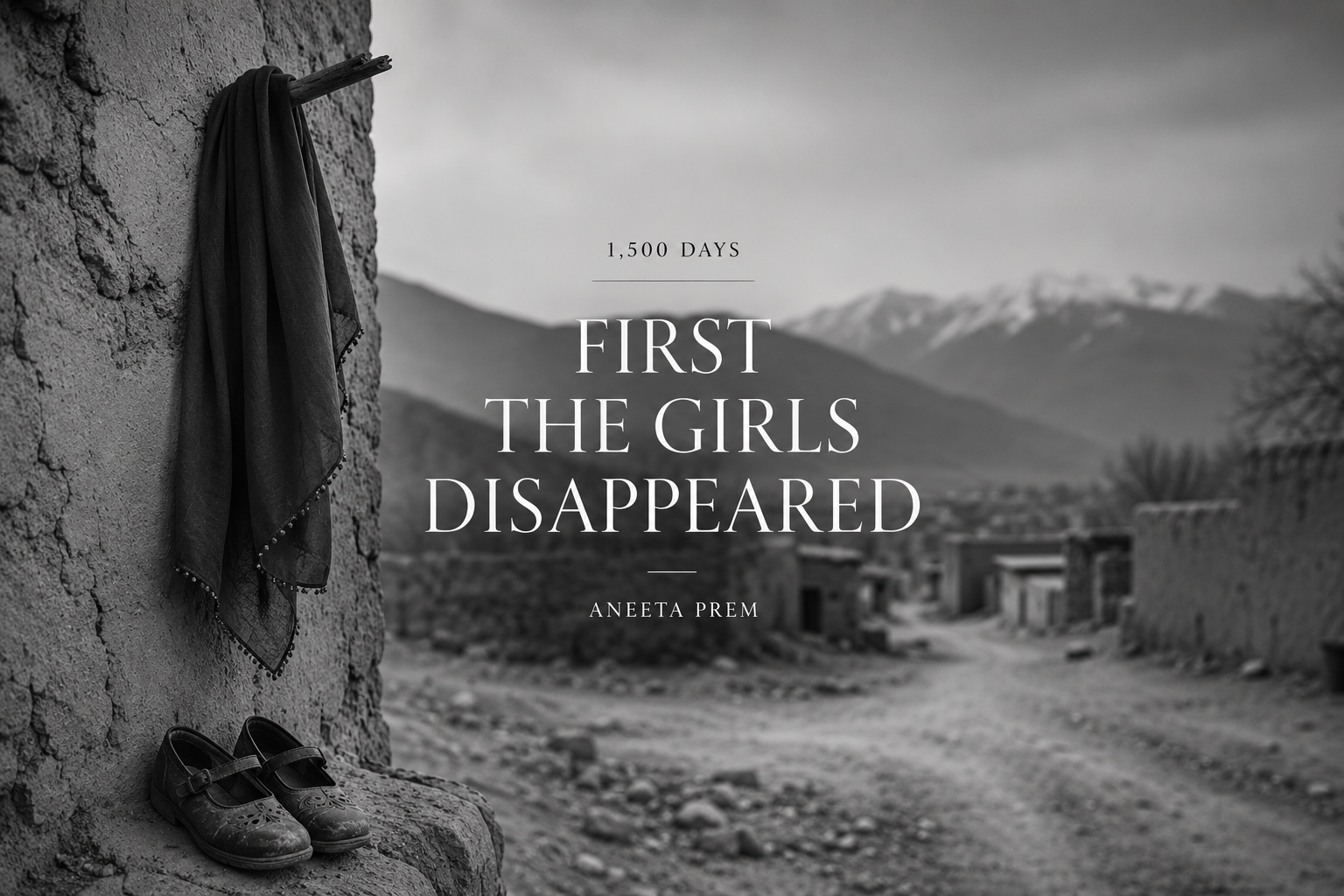
Afghanistan's child marriage is worsening as hunger, aid cuts and Taliban family law place girls at risk. Aneeta Prem writes on why silence is not consent.