





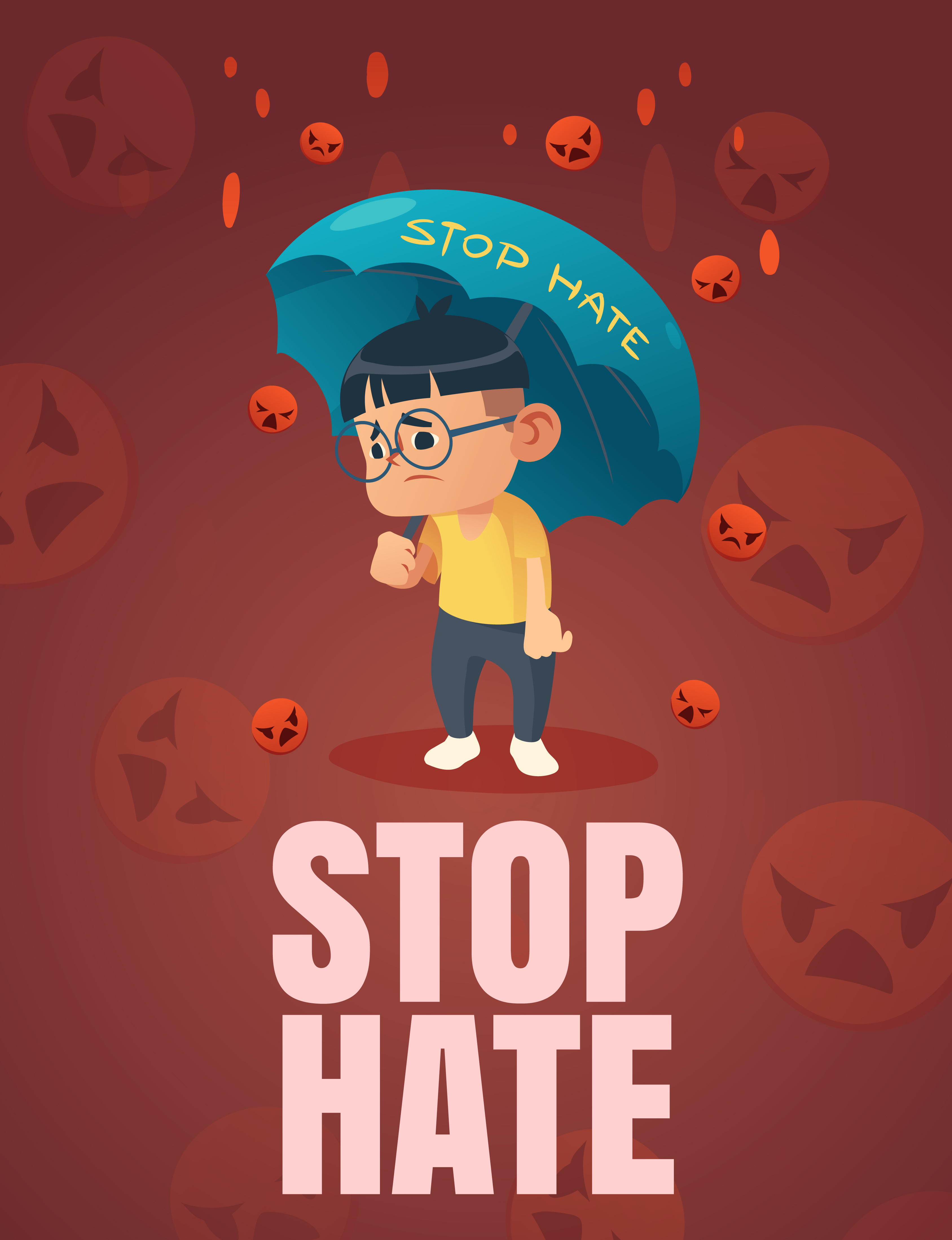
Hate crime – can we change it through education?
It is a sad reality that hate crime is on the increase in the UK and around the world.
What is a hate crime? There is a clear definition:
‘a crime motivated by racial, sexual, or other prejudice, typically one involving violence’.
• Threatening behaviour
• Assault, including spitting
• Robbery
• Damage to property, eg graffiti
• Inciting others to commit hate crimes
• Harassment
You can report hate crime online. The police say 6,193 hate crimes have been reported since the UK referendum to leave the European Union. Many who voted to leave stated that immigration was the key reason they elected ‘Leave.’
Well, to me it’s very clear. Hate is often borne out of ignorance.
The referendum showed that those parts of the UK that experienced the lowest levels of migration were the most worried about it. Is it possible their fears driven by something they hadn’t fully experienced — perhaps?
I have been sickened to hear of children as young as five and six shouting racial and religious abuse at others. “Gay” in many schools is used as an insult to hurt and offend.
Education again holds the key. It’s more than just teaching tolerance, it’s about acceptance. Understanding and embracing diversity is not just a good thing, It’s a great thing!
Freedom charity has worked with tens of thousands of young people in schools, colleges and universities throughout the UK.
Over 45,000 copies of my book But it’s not Fair have helped children understand forced marriage and my new book Cut Flowers will hopefully end FGM in a generation. Young people want to be part of the solution of stopping dishonour crime. Young people we have worked with show compassion and understanding and believe there is no place for hate crime in today’s society.
Although reports of hate crime are on the increase, those most likely to suffer are those least likely to speak out.
In the last four weeks a number of talented people have been talking to me about leaving the UK to move to the European Union.
People who have contacted me, including children, believe hate crime is part and parcel of the new world.
Many blame its rise on Brexit, but I do not believe it has happened overnight. It’s more deep-rooted and it’s wrong.
The outpouring of love and unity that followed an arson attack on a shop owned by an immigrant family in Norwich was extraordinary. It sent a powerful and resolute message of solidarity and hope and showed good will always triumph over the evil of a hateful and ignorant minority.
Police and the courts do take these crimes seriously — and for the ‘hate’ element of an offence — an increase in the sentence of fifty percent may be added.
Tagged hate crimes, immigration

FGM prevention matters, but survivor care must not be the unfinished part of UK policy. Aneeta Prem calls for a clear NHS pathway, specialist counselling, trained professionals and research into reconstructive surgery.
Many children are not choosing the best place to spend their time. They are choosing the safest unsafe place available.
Dishonour Abuse is abuse, coercion or violence justified through claims of family reputation, shame or so-called honour. I use the term because “honour-based abuse” repeats the perpetrator’s excuse, while Dishonour Abuse names the conduct and places responsibility where it belongs: with the person causing harm, not the victim, child or survivor.

The murder of Henry Nowak raises difficult questions about policing, evidence and the duty to preserve life

The death of Twisha Sharma has reopened a global question about dowry abuse, coercive control, family reputation and why women are still judged by what their families can provide.
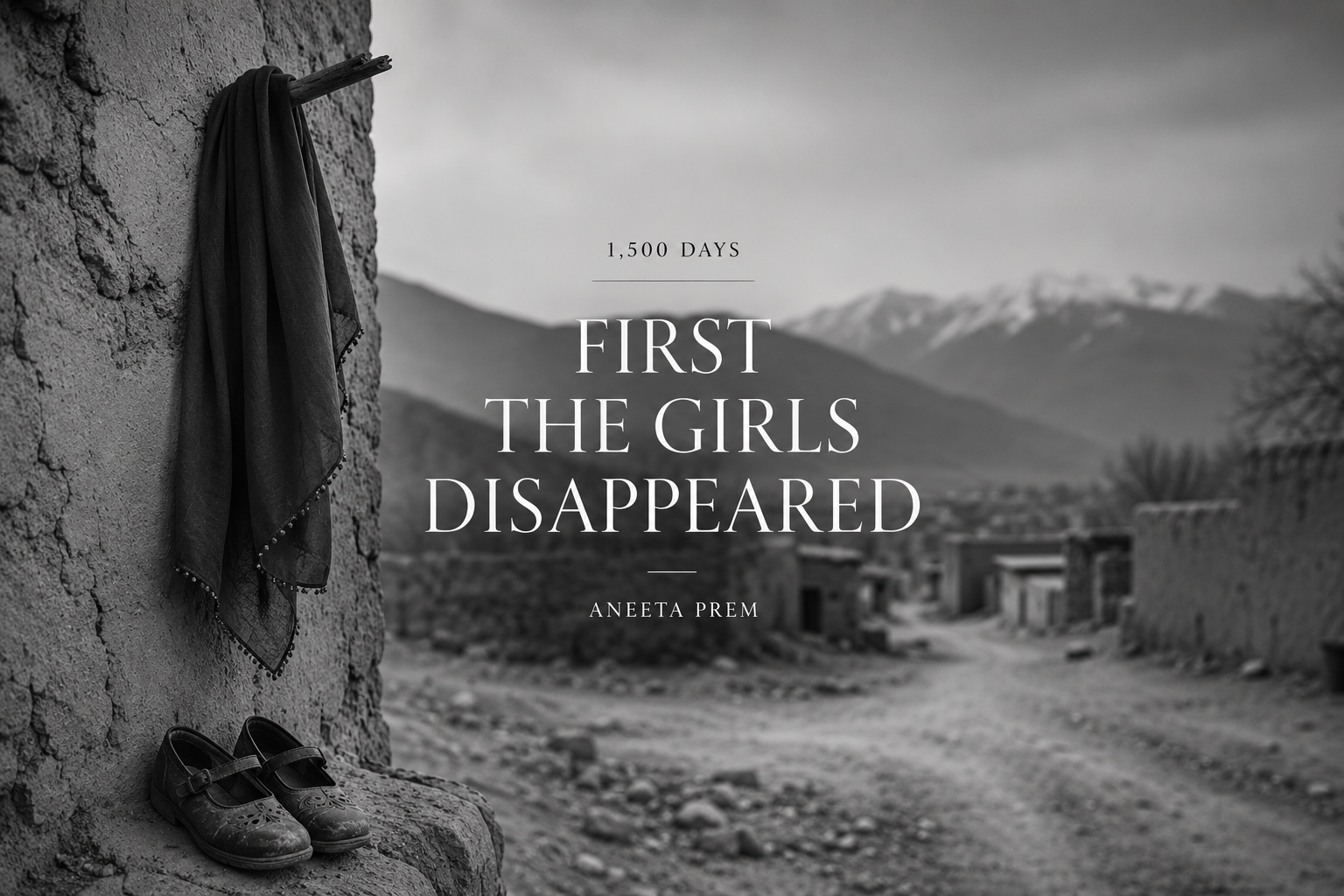
Afghanistan's child marriage is worsening as hunger, aid cuts and Taliban family law place girls at risk. Aneeta Prem writes on why silence is not consent.