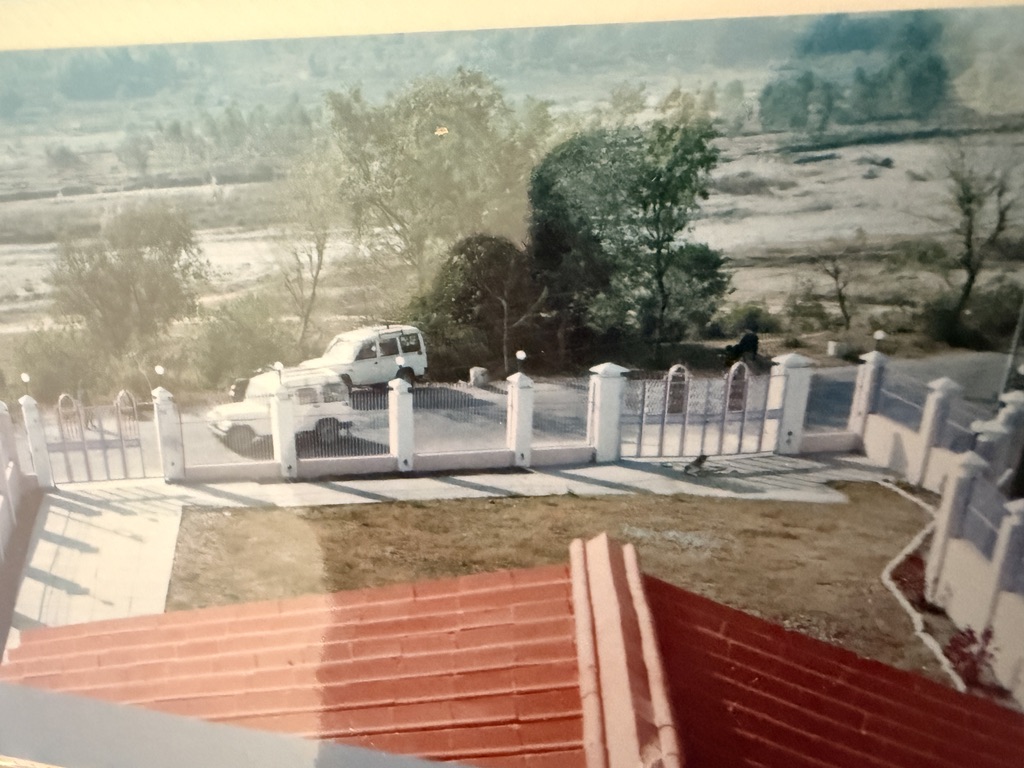


Jahu · Himachal Pradesh · 2002
Republic College of India
A family education project in Himachal Pradesh built around a practical idea: girls should be able to continue studying closer to home and enter adult life with wider choices.
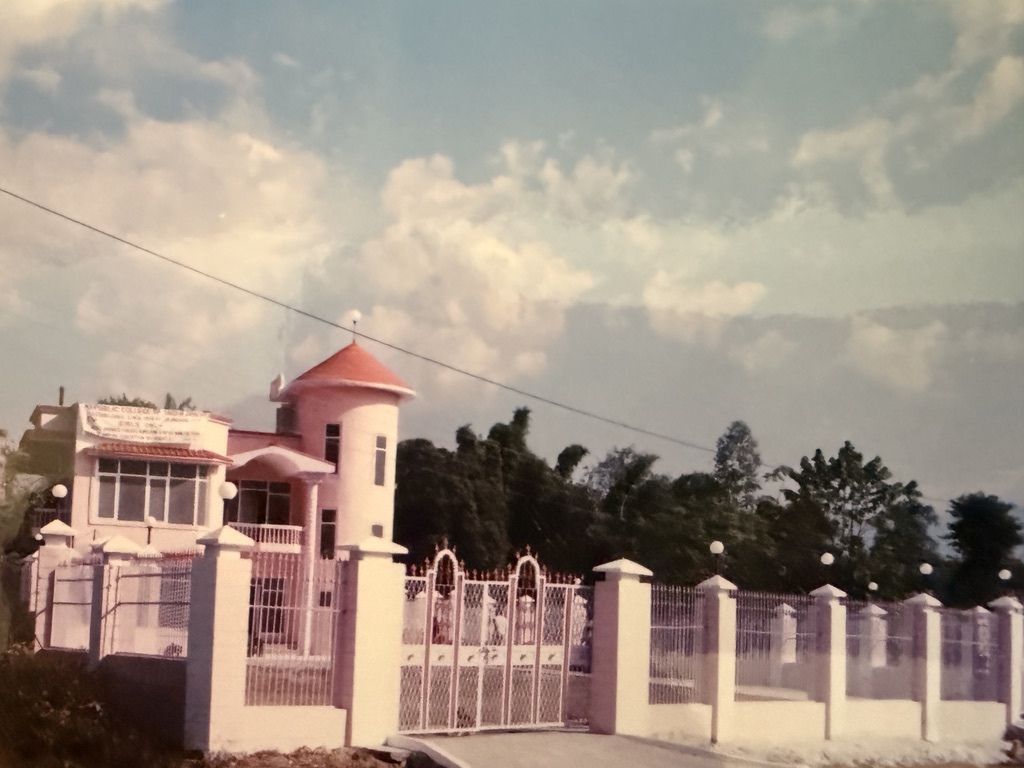
Republic College of India was created at Jahu in 2002. Its purpose was practical: to make further education easier to reach, particularly for girls, and to widen the choices available to young people as they entered adult life. Chandra Shekhar had previously served as principal of Republic College in Jalandhar during the 1950s and 1960s, an earlier educational chapter that shaped the new project.
One practical aim was to bring further study closer to home, reducing the journeys girls might otherwise face to continue their education. The wider aim was to make qualifications, work and financial independence more attainable, giving a young woman greater confidence and more genuine choices about marriage and her future.
The project was led by Chandra Shekhar and Savita, with Aneeta and Vineeta also contributing to its funding, design and development.
The name
From Jalandhar to Jahu
Chandra Shekhar was an educator, author and poet. In the 1950s and 1960s he served as principal of Republic College in Jalandhar. It was there that he met Savita.
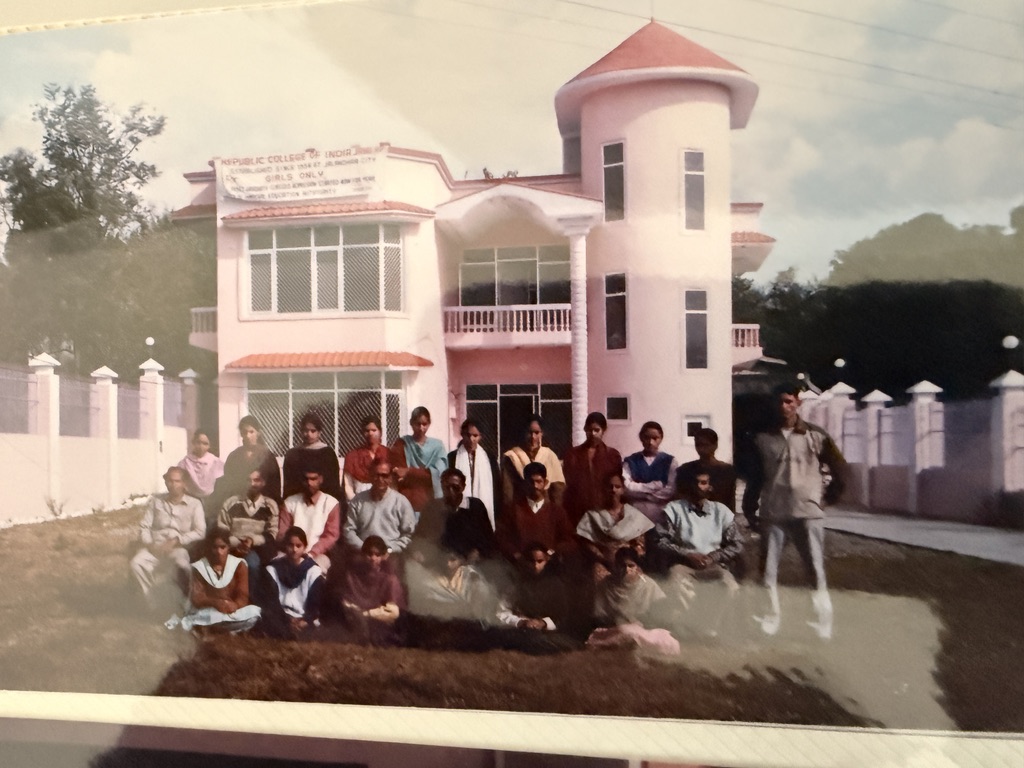
When the college at Jahu was created, the Republic College name was chosen again, linking the new institution to an earlier chapter in Chandra Shekhar and Savita’s lives.

The standard
A modern college
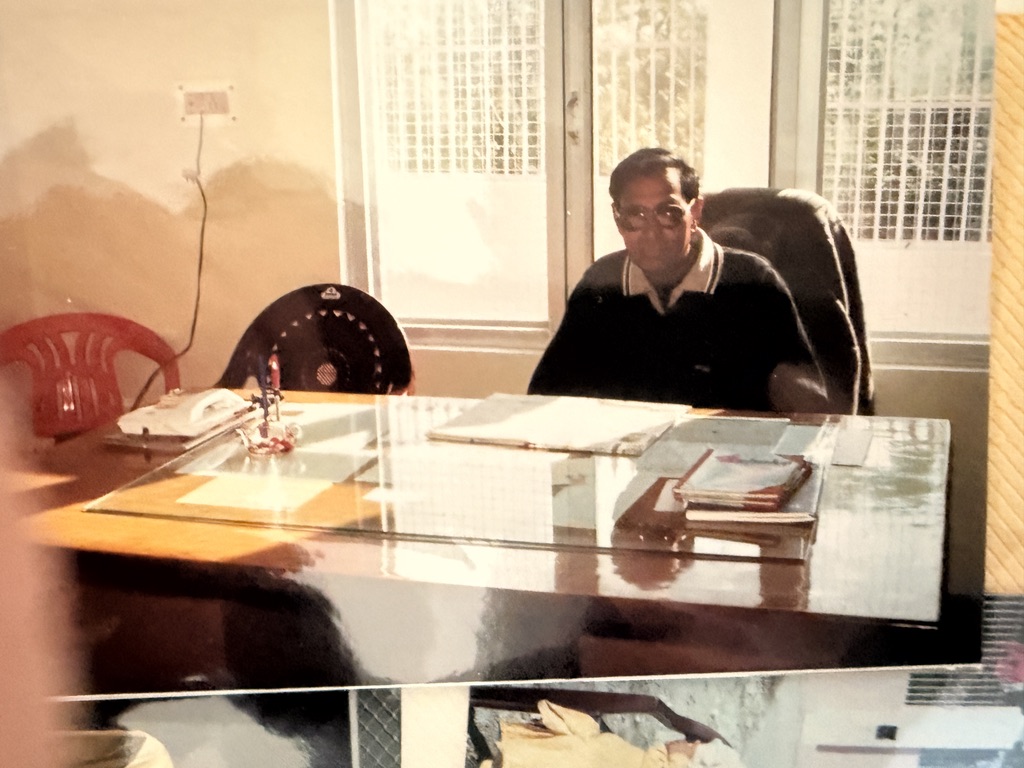
The college was built as a serious learning environment, with desks, classrooms, air conditioning and facilities for students and lecturers. The aim was not simply to open a building, but to make further study locally possible and worth taking seriously.
That investment was deliberate. The building and its classrooms reflected a simple principle: girls’ education deserved the same seriousness, standards and ambition as any other education.
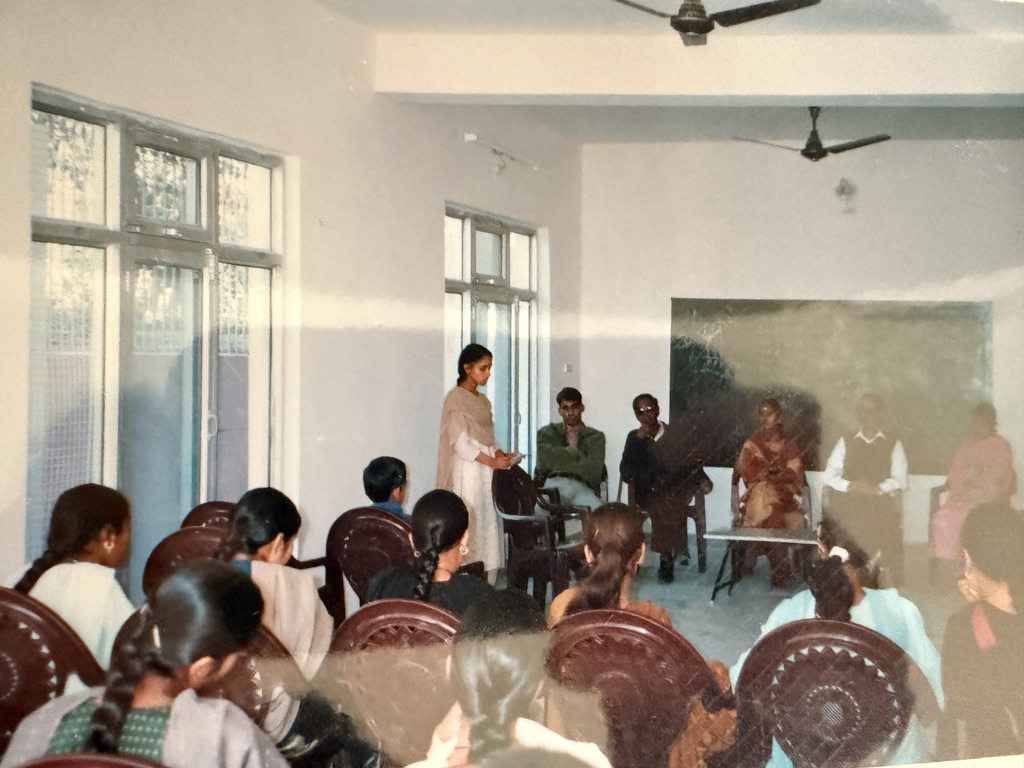
Why girls’ education mattered
Education and choice
Education was seen as a route to qualifications, work, income and independence. Making further study easier to reach could give a girl more time to learn, more confidence to make decisions and more genuine options about marriage, work and adult life.
The purpose of the college was practical and ambitious at the same time: to make serious education available, raise expectations and help young women enter adult life with more than one path open to them.
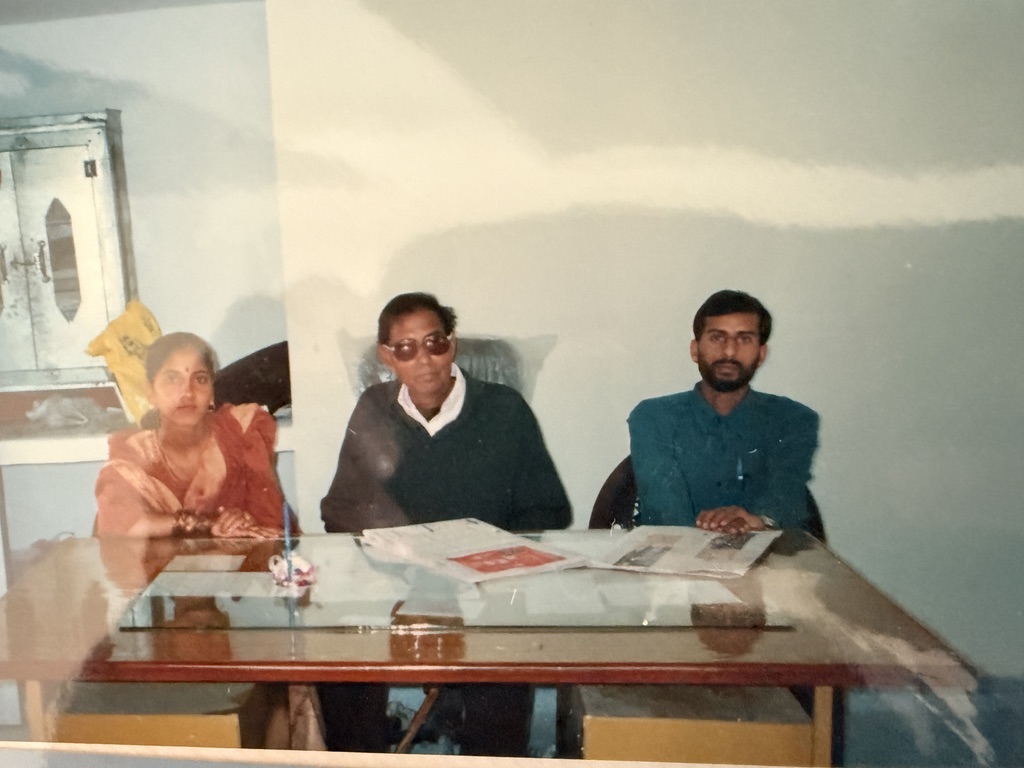
What carried forward
The same belief — that girls should have education, independence and genuine choice — later continued through Aneeta Prem’s work on forced marriage and safeguarding. Republic College belongs to an earlier chapter, but the principle remained: education could widen the future available to a young woman.
Republic College of India · Una–Jahu–Nerchowk Road · Jahu · Bhoranj · Hamirpur district · Himachal Pradesh 176048 · India